
On-Site vs. Off-Site Shredding: Which Is More Secure for Your Business?
The answer depends on your operational priorities and business structure. When both services are NAID AAA Certified, on-site and off-site shredding meet identical security and compliance standards. The choice comes down to which method best fits your organization's workflow, location structure, and volume.
When it comes to protecting sensitive information, secure document destruction is essential. Businesses of all sizes handle confidential data every day, including employee records, financial documents, customer information, and medical files. With so much at stake, should you choose on-site or off-site shredding?
The answer depends on your operational priorities and business structure. When both services are NAID AAA Certified, on-site and off-site shredding meet identical security and compliance standards. The choice comes down to which method best fits your organization's workflow, location structure, and volume.
Why Secure Shredding Matters
Improper disposal of sensitive documents can expose your business to data breaches, identity theft, legal penalties, and reputational damage. According to the Federal Trade Commission, businesses must take “reasonable measures” to protect consumer data during disposal, including shredding or destroying records so information cannot be read or reconstructed. Regulations such as HIPAA, FACTA, and GLBA require organizations to properly destroy confidential information once it’s no longer needed.
Working with a professional shredding provider ensures compliance, maintains a secure chain of custody, and provides documentation, such as a Certificate of Destruction, for audits and records management.
What Is On-Site Shredding?
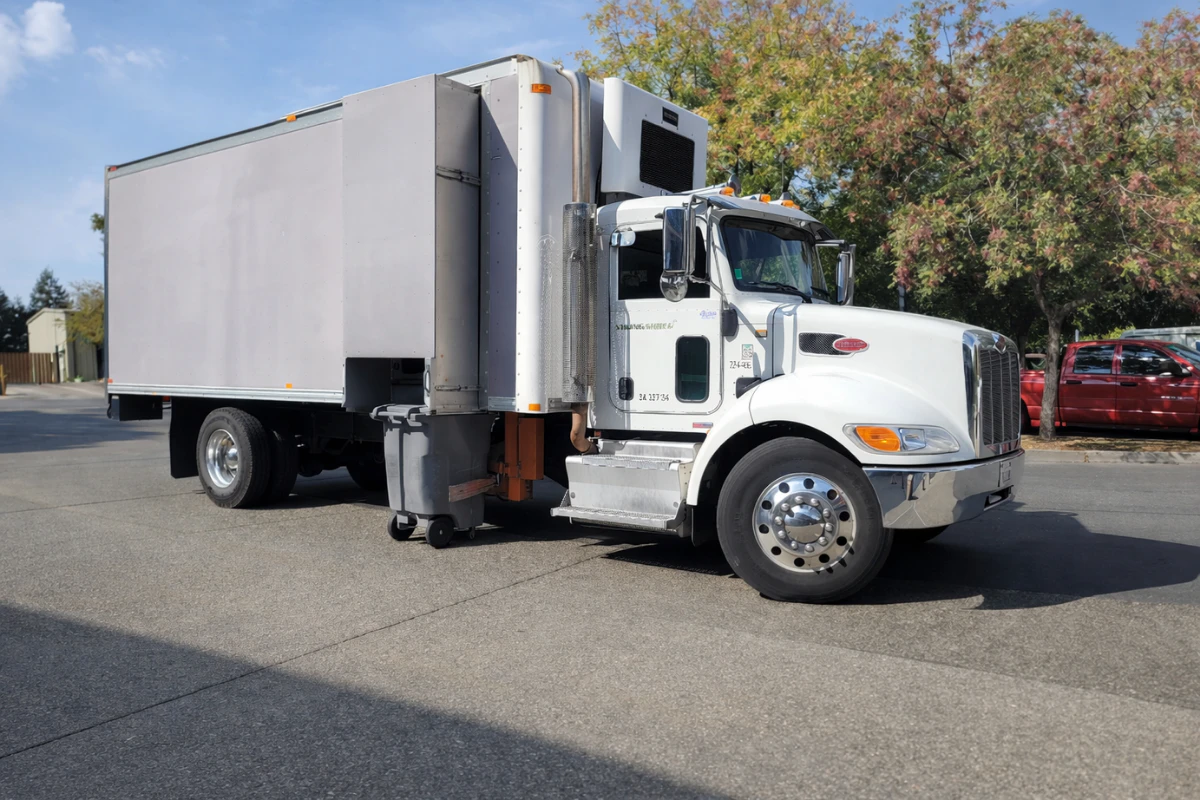
On-site shredding means your documents are destroyed at your location using a secure mobile shredding truck. The shredding equipment is built directly into the vehicle, allowing materials to be destroyed immediately upon collection.
With on-site shredding, you can witness the destruction process in real time for complete transparency and peace of mind.
- Immediate destruction: Documents are shredded before ever leaving your property.
- Witnessed process: Employees or managers can observe shredding as it happens.
- Minimal handling: Reduces risk by eliminating transport of intact documents.
- Strong compliance support: Ideal for industries with strict data security requirements.
For organizations handling highly sensitive records, such as government agencies, legal firms, or financial institutions, on-site shredding is often considered the highest level of security.
What Is Off-Site Shredding?
Off-site shredding involves securely collecting documents from your location and transporting them to a licensed shredding facility for destruction. Materials are placed in locked containers and handled under strict chain-of-custody procedures until they are shredded.
Off-site shredding is commonly used for high-volume document destruction or businesses with limited space or operational flexibility.
- Locked containers and sealed transport
- Controlled, monitored shredding facilities
- Documented chain of custody
- Certificates of Destruction issued after completion
When performed by a NAID AAA Certified provider, off-site shredding meets the same rigorous security standards as on-site shredding.
How to Choose: Key Factors in Your Decision
Witnessed Destruction
One of the biggest advantages of mobile shredding is the ability to watch documents being destroyed at your location. This level of visibility is not available with off-site shredding, where materials are securely transported to a certified facility and destruction is verified through documentation rather than observation.
Immediate Shredding
Documents scheduled for on-site service are destroyed as soon as they are collected, eliminating the need for storage or transport of intact materials. With off-site shredding, documents are first secured in locked containers and shredded later at a controlled facility under strict security protocols.
Chain of Custody
Because shredding happens at your location, on-site service involves fewer handling steps and a shorter chain of custody. Off-site shredding requires a more extended chain of custody, with materials tracked from pickup through transport and final destruction to ensure accountability at every stage.
Best for Sensitive Data
For organizations that prefer to witness destruction in person, on-site shredding provides that visibility. However, it's important to note that witnessed destruction is a preference, not a compliance requirement. Both on-site and off-site methods meet HIPAA, FACTA, GLBA, and other regulatory standards equally when performed by NAID AAA Certified providers. Off-site shredding may actually provide stronger audit documentation through facility records and comprehensive chain-of-custody tracking, making it equally defensible during compliance reviews.
High-Volume Efficiency
For organizations managing equipment lifecycles, data center decommissioning, or distributed multi-location operations, off-site shredding is the operational standard. Professional facilities are designed to handle high-volume destruction efficiently while maintaining the same NAID AAA security standards as on-site services. Off-site provides detailed facility documentation, GPS-tracked chain of custody, and comprehensive records that support compliance audits making it the practical choice for enterprises and tech companies managing ongoing, large-scale destruction. On-site shredding remains the right choice for single events, smaller organizations, or situations where immediate on-premises visibility is a priority.
Choose the Right Shredding Solution for Your Business
Both on-site and off-site shredding provide secure, compliant solutions for destroying sensitive information when performed by a NAID AAA certified provider. The right choice depends on your operational structure: whether you need witnessed destruction at a single location, or documented facility-based destruction across multiple locations or ongoing high-volume cycles.
Viking Shred offers both on-site and off-site shredding services for your hard drives, documents, products, and electronic media, giving your business a secure, compliant solution tailored to your needs.
Request a quote today to get started.