
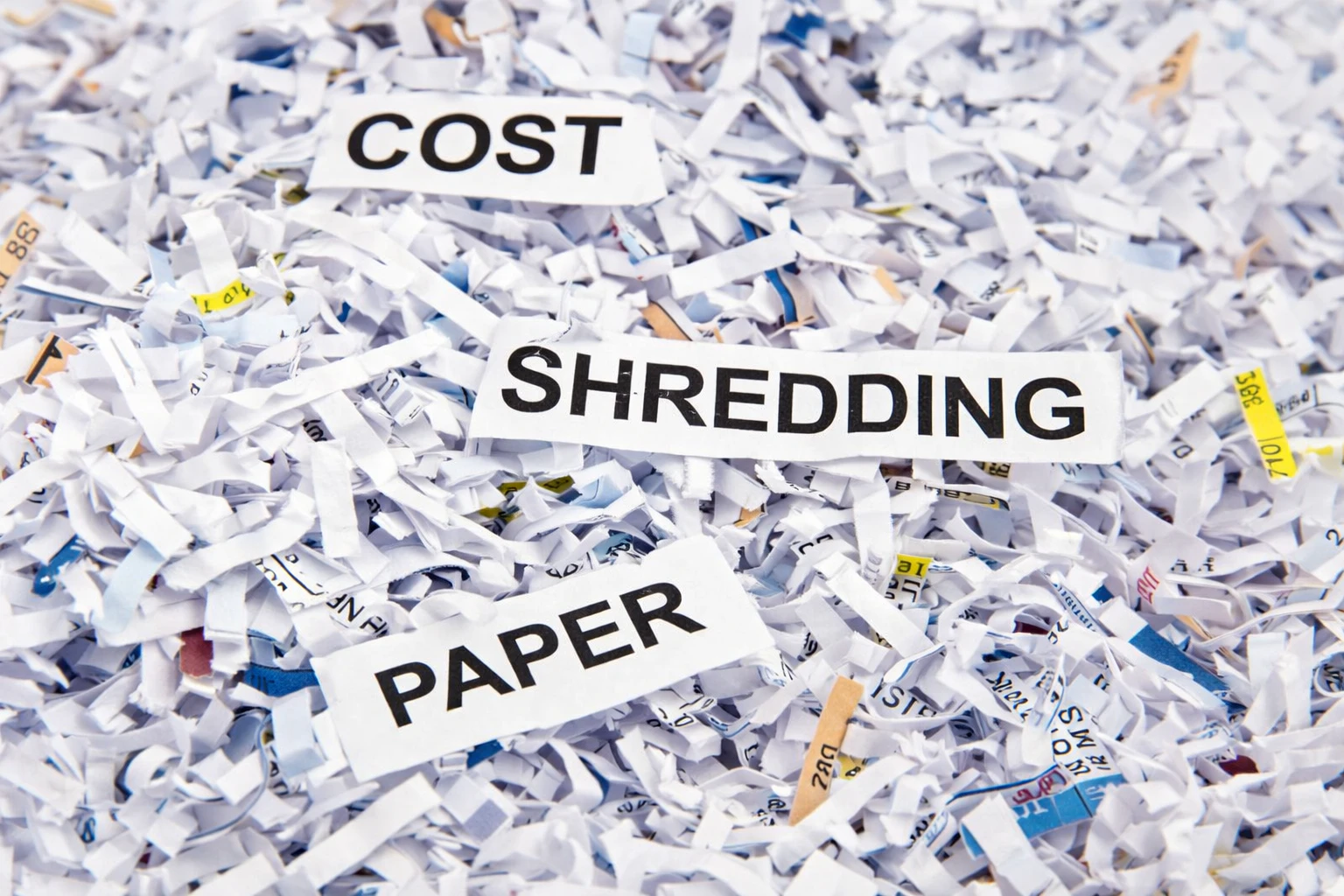
A Practical Guide to the Cost of Paper Shredding for Businesses
Shredding isn't just about making confetti; it's a vital line of defense for your business's reputation and legal standing. Whether you're purging a decade of archives or looking for a weekly pickup, here is the breakdown of what you need to know about the costs and benefits of professional document destruction.
Secure document destruction is no longer optional for businesses and households in the United States. With rising identity theft, stricter compliance laws, and growing awareness around data privacy, professional paper shredding has become an essential service. However, one of the most common questions customers ask is simple: how much does document shredding cost?
In this guide, we break down the cost of paper shredding, explain different service types, and help you understand what affects pricing so you can choose the best option for your needs.
What is Professional Paper Shredding and Why Does it Matter?
Paper shredding is a secure document destruction process that uses industrial-grade equipment to destroy sensitive information permanently and reduce the risk of identity theft and data exposure. Unlike standard home or office shredders, professional services are designed to handle large volumes efficiently while following established security and confidentiality practices.
Proper document disposal is also an important part of legal and regulatory compliance. Many organizations are required to destroy sensitive records under data protection and privacy regulations such as HIPAA, FACTA, and the Gramm-Leach-Bliley Act (GLBA). Professional shredding helps organizations meet these requirements by ensuring documents are destroyed consistently, securely, and in a verifiable manner.
What Affects the Cost of Paper Shredding?
Several factors can influence the overall price, and understanding these variables can help you plan more accurately.
Service Type
The type of shredding service selected has a direct impact on pricing. Different service options vary in convenience, security level, and handling requirements, which can influence overall costs depending on your needs and preferences.
-
Drop-off shredding is usually the least expensive option. You bring your documents to a shredding location and pay by weight. This works well for small, one-time shredding needs.
-
Off-site shredding includes scheduled or one-time pickups. Documents are transported securely to a shredding facility. This option balances affordability and convenience, especially for businesses with moderate volumes.
-
On-site shredding offers maximum security and transparency. Documents are shredded at your location while you watch. While slightly more expensive, many businesses prefer this option for sensitive materials and compliance assurance.
Volume of Documents
Larger quantities of paper are often more cost-efficient on a per-pound or per-box basis because shredding providers can process bulk materials more efficiently. Smaller jobs or light volumes may carry higher per-unit costs due to minimum service requirements.
Service Frequency
One-time purge services, such as office cleanouts or record purges, typically cost more per visit because they involve setup, transportation, and labor for a single appointment. In contrast, recurring shredding services scheduled on a weekly, biweekly, or monthly basis often come with lower per-visit pricing because they allow providers to optimize routes and operations over time.
Location and Service Area
Location and service area can influence document shredding costs as well. Pricing may vary based on regional operating expenses, travel distance, and local market competition. In some metropolitan areas, the presence of multiple shredding providers can lead to more competitive pricing, while rural or remote locations may involve additional transportation or service fees.
Additional Services and Handling Requirements
Options such as certificates of destruction, specialized handling for sensitive materials, after-hours service, or expedited scheduling can add to the final price. While these services may increase costs, you may find them valuable for documentation, internal policies, or added convenience.
Average Cost of Shredding Documents in the United States
Below is a general reference for average document shredding costs, according to Talo:
- Drop-off paper shredding services typically cost between $0.99 and $1.49 per pound.
- On-site paper shredding offers added convenience but usually costs between $100 and $175 per visit (for 3-10 boxes).
- The price of off-site paper shredding services ranges from $85 to $150 for up to 10 boxes.
These figures reflect common industry pricing and may vary by provider and region.
Frequently Asked Questions
- Can staples, paper clips, and binder clips stay on the paper?
Most providers accept staples and small paper clips in standard shredding loads. Binder clips and bulky fasteners often need removal, so confirm prep rules with the vendor.
- Is shredding required for businesses, or is recycling enough?
For consumer information, the FTC disposal rule requires reasonable measures to protect against unauthorized access or use during disposal. Shredding is a straightforward way to meet that expectation when documents contain personal data.
- What documents should be shredded at a business?
Shred any paper that contains personal identifiers, financial details, customer or employee information, account numbers, passwords, medical details, student records, contracts with confidential terms, or proprietary business information. This also includes printed drafts, voided checks, and internal reports that contain private data.
- Do retention rules affect when paper can be shredded?
Many records must be kept for set periods due to tax, employment, or contract requirements. Shred only after retention timelines are met and any legal holds are cleared.
- How should confidential paper be stored before pickup?
Keep documents in a restricted area and use sealed boxes or locked consoles to limit access. Secure pre-destruction storage supports “reasonable measures” expectations for sensitive data disposal.
Get an Accurate Paper Shredding Quote for Your Company
Paper shredding costs depend on the service type you choose, how much paper you need destroyed, how often you schedule service, and any added handling or documentation requirements. Understanding these pricing factors makes it easier to select an option that fits your volume, security needs, and compliance expectations without overspending.
Here at Viking Shred, we offer secure paper shredding services across Northern California for both one-time purges and recurring service. Every job follows strict security practices and includes the documentation many organizations require, including a certificate of destruction.
If you’re ready to get an accurate price for your project and a shredding plan that fits your needs, contact us today!